
CAD/CAM Technology Information for Providers
Computer-aided design/computer-aided manufacturing (CAD/CAM) has been available to the orthotics and prosthetics industry for many years, but its success has been hampered by limitations such as: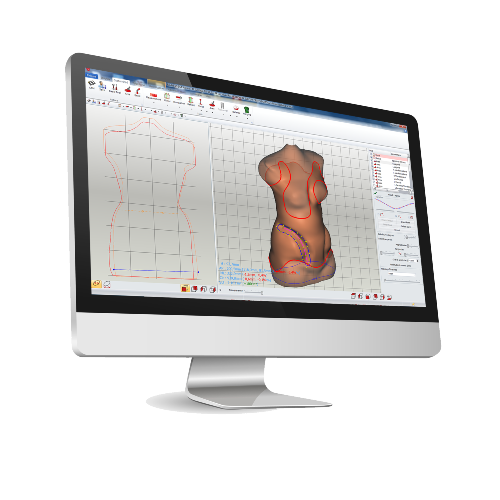
- Only being able to scan certain areas of the body
- Inability to scan lower limbs effectively
- Operating systems too complicated for clinicians to understand and use
- Different “modules” required for modifying different body segments
- Being stigmatized as a “cost” instead of a profit center
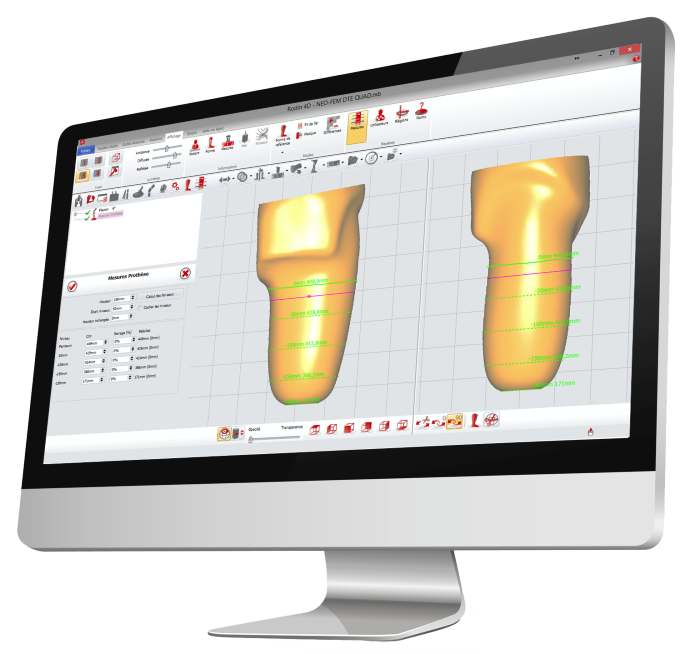 Our partnership with Rodin4D has eliminated these problems. Our system can do it all, with an easy to use interface and no added costs.
We pride ourselves in providing our customers with all the necessary tools—electronic and physical—so you are prepared to use your CAD system for any orthotic and prosthetic application on day one! We don’t play games with file formats either. Our platform is totally open with file formats (,AOP and .STL) acceptable by nearly all major manufacturers. We would like your manufacturing business, but you are not locked in. We leave that decision up to you.
For more information on Rodin4D, visit the website at www.rodin4D.com. or contact Jamie Benelli jbenelli@bostonoandp.com